




People Love Us on Google

AUTOIMMUNE
NEUROLOGICAL
COSMETIC
CARDIOVASCULAR
KIDNEY AND LIVER
BACK PAIN & DEGENERATION
MUSCLESKELETAL
NERVE & MYELIN SHEATH
ORTHOPEDIC
PULMONARY
REPRODUCTIVE
OTHER
WELLNESS OPTIMIZATION
DENTISTRY
U.S. Laboratory for Stem Cells and Exosomes – Umbilical Cord Derived
Sweden laboratory for Stem Cells and Exosomes – Bone Marrow Derived
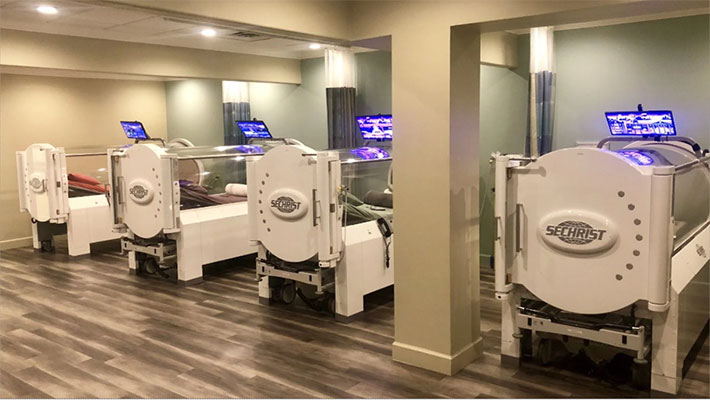
Hyperbaric Oxygen Therapy – Hospital Grade Chambers up to 3.0 ATM
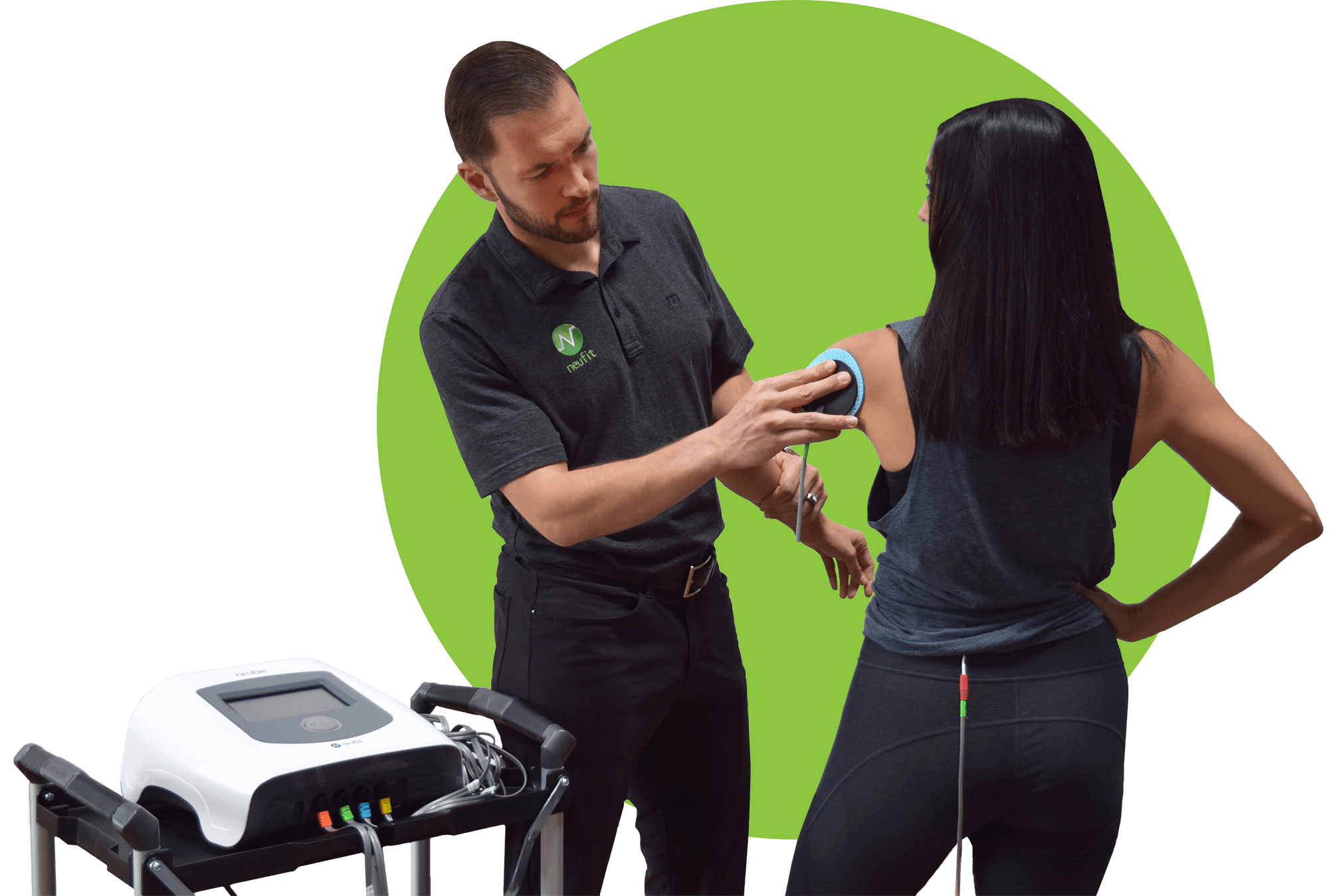
Nuebie Advanced Physical Therapy
Cellcore Advanced Detoxification – pathogen, parasite and toxin elimination
Exercise With Oxygen (EWT) Athlete Advanced Training



Greg Overton
7 months ago
My mother was deeply grateful for the thoroughness and clarity of the second opinion provided by MDVISIT Clinic. The physician was exceptionally detailed during our video telemedicine visit, taking the time to explain everything in a way that both my mother and I could easily understand. She would definitely use this service again and wholeheartedly recommends it to others. (I freelance with MDvisit Clinic)
Response from the owner 7 months ago
Thank you for sharing your experience! We’re glad your mother appreciated the thoroughness and clarity of our second opinion during the video consultation. At MDvisit Clinic Stem Cells, we focus on a detailed, patient-centered approach, making every explanation easy to understand. It’s rewarding to know our virtual consultations made a meaningful impact, and we look forward to continuing to provide advanced integrative regenerative solutions for our patients.
Heather Avaritt
7 months ago
As a holistic health practitioner, I’ve had the privilege of partnering with Paul and his team to support a client navigating a very complex health journey. Their ability to provide high-quality stem cell and exosome therapies has been an invaluable component of this client’s overall restorative protocol.
What has stood out most to me is not only the integrity of their work, but also their remarkable flexibility and professionalism. Paul has gone above and beyond to accommodate the unique scheduling and therapeutic needs involved in this case—something that is both rare and deeply appreciated.
Collaborating with a like-minded practitioner who understands the importance of integrative, evidence-aligned care has made this process both seamless and rewarding. I look forward to continuing to work with this clinic and highly recommend them to other professionals seeking advanced, compassionate solutions for their clients’ cellular and regenerative health.
What has stood out most to me is not only the integrity of their work, but also their remarkable flexibility and professionalism. Paul has gone above and beyond to accommodate the unique scheduling and therapeutic needs involved in this case—something that is both rare and deeply appreciated.
Collaborating with a like-minded practitioner who understands the importance of integrative, evidence-aligned care has made this process both seamless and rewarding. I look forward to continuing to work with this clinic and highly recommend them to other professionals seeking advanced, compassionate solutions for their clients’ cellular and regenerative health.
Response from the owner 7 months ago
We sincerely thank you for your kind words and trust in our work at MDvisit Clinic Stem Cells. We especially value collaborating with experienced holistic practitioners who share our commitment to an integrative, science-based approach in regenerative medicine and cellular health. It has been a privilege to support your client’s healing journey through our stem cell and exosome therapies. We look forward to continuing this meaningful collaboration and exploring new opportunities to provide advanced regenerative solutions, including stem cell and exosome therapies, to support the health and well-being of our patients.
allan carballo
7 months ago
I had stem cell treatment for arthritis which is in my fingers and knees. It works so great. The only thing is it takes time to see the improvement – I now realize takes time for the tissue to regrow. I am highly recommending the stem cell treatment for pain and arthritis.

Diego Ortega
7 months ago
I did stem cell injections in my foot, and exosomes in IV and it healed so quickly, amazing, I will do it again in a heartbeat for any new condition as I get older.

Justin Starreveld
7 months ago
I had both stem cell injections in both knees and after 3 months, no more pain. Thanks.

Emmanuel Carpio
7 months ago
My immune system has majorly improved, I have RA. Pain relief after 3 weeks from stiffness in my hands and neck – so much better. I am eating healthy again. My legs are much stronger when I stand and pivot, my head is clearer, I have more energy, even my voice is now stronger than usual. I am so grateful to my case manager and the entire team. Thank you.

S Wilkins
7 months ago
About two years ago, my wife went to the Mayo Clinic and received a diagnosis of atypical Alzheimer’s. I watched her rapidly decline, including her loss of speech. She needed full-time care.
Roughly a month after she got stem cell therapy, she was having a really bad day. She grabbed the side of her head and said her brain was freezing! Surprisingly, that was the moment of her turnaround. Since that night, she had been improving like a wild woman!
She can now clearly explain what she needs and, she understands everything going on around her.
Now, she tells me what she wants to eat, watch on TV, and where she wants us to go. Best of all, she now tells me daily that she loves me! She is also now very active and lost the 45 pounds she had gained.
It is by far, the best money I have ever spent in my life!
Roughly a month after she got stem cell therapy, she was having a really bad day. She grabbed the side of her head and said her brain was freezing! Surprisingly, that was the moment of her turnaround. Since that night, she had been improving like a wild woman!
She can now clearly explain what she needs and, she understands everything going on around her.
Now, she tells me what she wants to eat, watch on TV, and where she wants us to go. Best of all, she now tells me daily that she loves me! She is also now very active and lost the 45 pounds she had gained.
It is by far, the best money I have ever spent in my life!
Response from the owner 7 months ago
Thank you for sharing such a heartfelt story. We’re deeply glad to hear about your wife’s progress after receiving stem cell therapy at MDvisit Clinic Stem Cells in Arkansas. Our team is committed to providing advanced regenerative medicine treatments with a holistic and compassionate approach, supporting patients and their families throughout their wellness journey. It’s wonderful to know she is more active, engaged, and enjoying life again. We appreciate your trust in our clinic here in Little Rock, Arkansas, and we look forward to supporting her continued health and quality of life.
ARQ JOHN RUBIO
8 months ago
I've completed the stem cell therapy on both my knees and I am now a 100% believer. My left knee was worse than my right knee, and it got better more quickly, I started feeling the first improvements after a month. I got this done in May of 2025, and here I am in October getting around like I did 20 years ago.

Chris Beaver
8 months ago
I've done this stem cell therapy and I can tell you it works, and my life has improved. I literally fell like I went back 20 - 30 years. I'm off my arthritis meds, and doing great!
Response from the owner 8 months ago
Chris, you are wonderful to work with! We are thrilled with your progress. And, thank you for those referrals. Your family members are as nice as you are.
Alex Larzelere
8 months ago
My back is feeling so much improved, I am writing this review. I have had debilitating back pain for a number of years, and it had been getting worse. Orthopedic groups in Little Rock saiI have arthritis and sge-related degeneration. Considering my pain level, I was certain it was more. Regardless, their only solution was a cortisol shot, and that works short-term but increases degeneration - a temporary solution at best.
Recently, I was referred to MDVISIT Stem Cells by a friend. They thoroughly assessed all my symptoms from a combination of conventional medicine and holistic medicine. I was happy to know their rendering providers are Arkansas-licensed medical doctors. It is typically difficult to find an MD who thinks with a holistic mindset.
Now, I am one month out from stem cell and exosome therapy. My pain has decreased 50%. I do understand it takes 3 months to 6 months to feel the full set of improvements because the body tissue needs to grow and regenerate.
I also decided to do their hyperbolic oxygen therapy and their advanced Neubie physical therapy.
Recently, I was referred to MDVISIT Stem Cells by a friend. They thoroughly assessed all my symptoms from a combination of conventional medicine and holistic medicine. I was happy to know their rendering providers are Arkansas-licensed medical doctors. It is typically difficult to find an MD who thinks with a holistic mindset.
Now, I am one month out from stem cell and exosome therapy. My pain has decreased 50%. I do understand it takes 3 months to 6 months to feel the full set of improvements because the body tissue needs to grow and regenerate.
I also decided to do their hyperbolic oxygen therapy and their advanced Neubie physical therapy.
Response from the owner 7 months ago
Thank you, Alex, for sharing your thoughtful review and detailed experience. We’re delighted to hear about your progress after receiving stem cell and exosome therapy at MDvisit Clinic Stem Cells in Arkansas. Our team is committed to providing personalized regenerative and holistic care using advanced, non-surgical treatments such as Neubie physical therapy and hyperbaric oxygen therapy. It’s wonderful to know your back pain has improved, and we look forward to supporting your continued recovery and wellness journey here in Little Rock, Arkansas.