STEM CELL THERAPY FOR DIABETIC WOUND

STEM CELL THERAPY FOR DIABETIC WOUNDS, ULCERS, INFECTIONS, AND OSTEOMYELITIS.

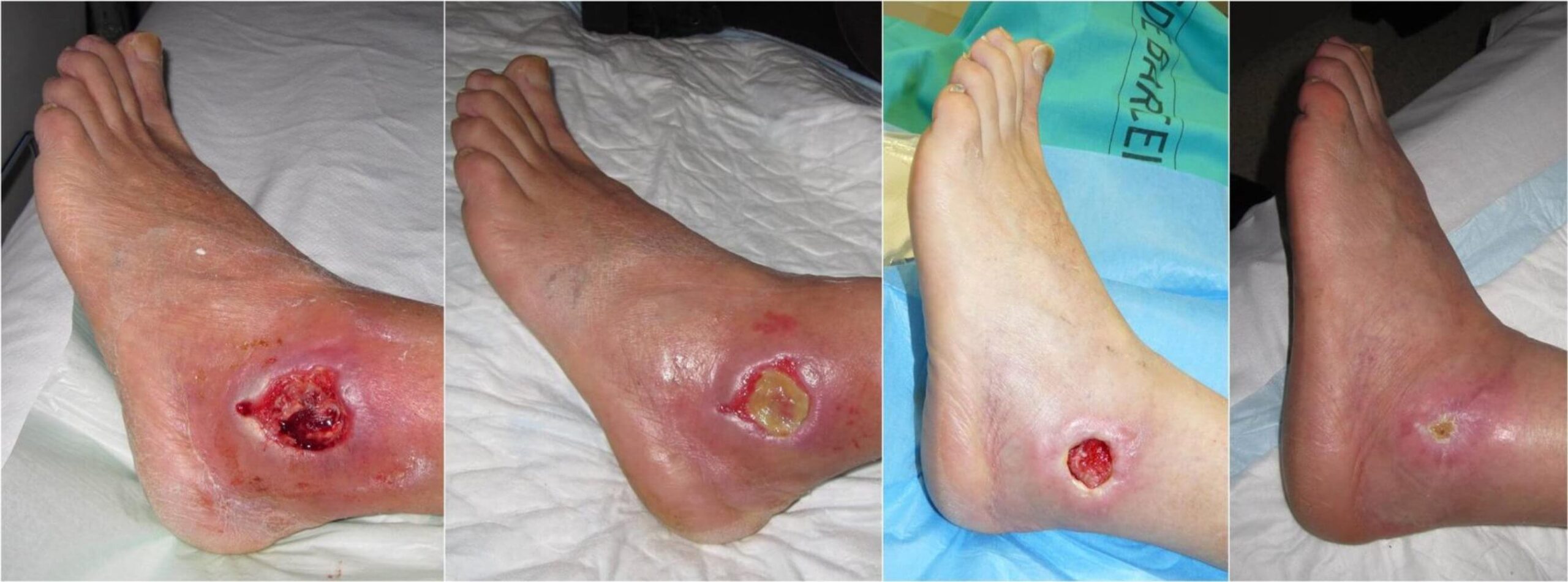
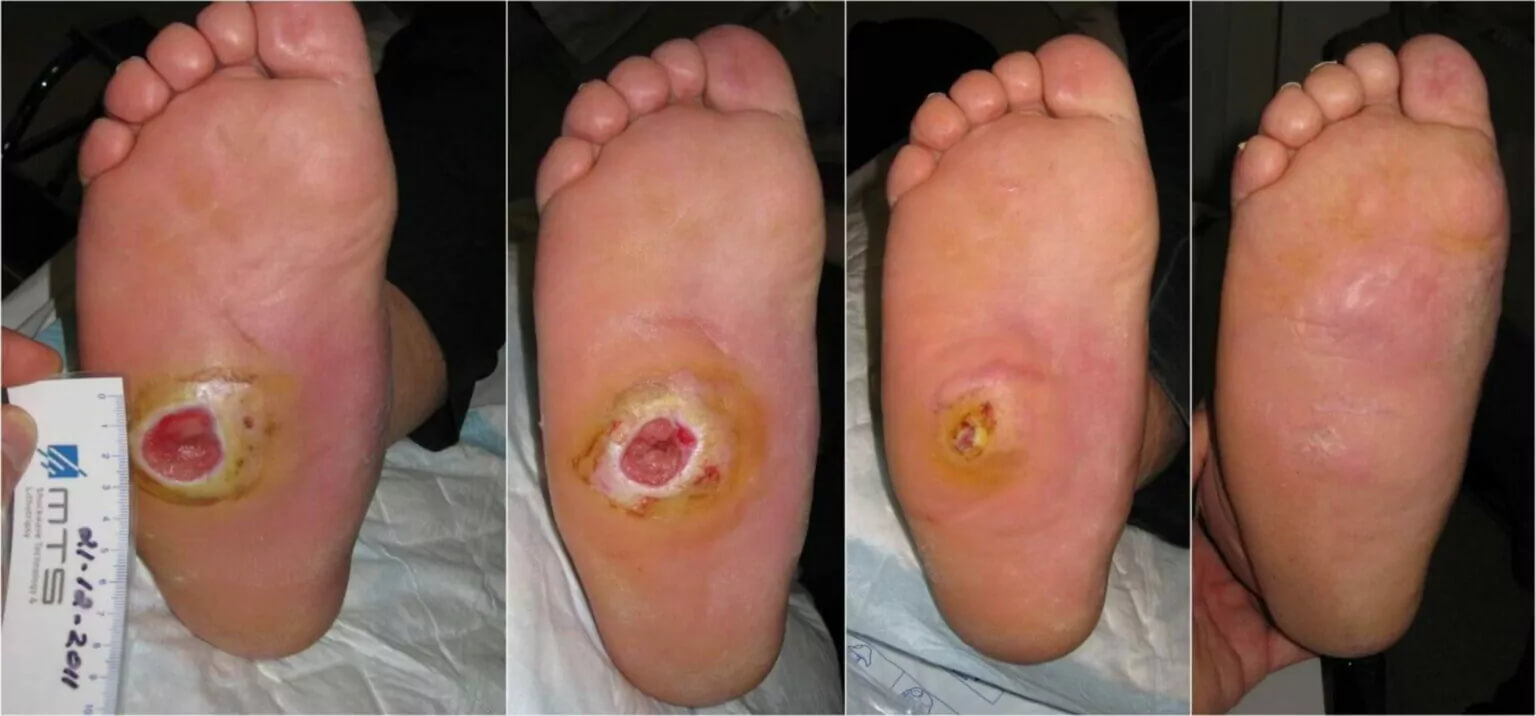
STEM CELL THERAPY HELPED DAN HEAL HIS CHRONIC FOOT WOUND

UNDERSTANDING STEM CELL THERAPY FOR diabetic wounds

Diabetic wounds can significantly impact quality of life, mobility, and overall vitality. If you are experiencing these common signs of wrist conditions, you’re not alone, and advanced regenerative therapy options are available.

Non-Healing Wound

Persistent open sore on foot failing to heal normally due to impaired circulation and neuropathy.

Numbness

Loss of sensation in feet preventing early detection of injuries or pressure points.

Painless Ulcer

Open wound without associated pain caused by diabetic peripheral neuropathy.

Swelling and Redness

Inflammation around wound site indicating potential infection or poor healing response.

Foul Drainage

Pus or odorous discharge from wound signaling bacterial infection.

Skin Discoloration

Darkened or blackened tissue near wound due to reduced blood flow and tissue death.

Your diabetic wounds rely on stem cells for every healing process – whether it’s a minor cut, chronic ulcer, diabetic foot ulcer, impaired re-epithelialization, excessive inflammation, or poor vascularization from neuropathy and ischemia. When those injuries or degenerative changes outpace your body’s natural repair ability, pain, delayed closure, infection risk, and potential amputation take over.

Here’s a simple truth about how diabetic wound healing actually works:

The stem cells that promote angiogenesis, reduce chronic inflammation, rebuild tissue, and regenerate damaged skin come primarily from your bone marrow and circulating progenitors. This repair system has been working quietly in the background your entire life.

The challenge in diabetes isn’t that the system is completely broken – it’s that the quantity, quality, and mobilization of stem cells your bone marrow and body can deliver to the wound site has dramatically declined due to hyperglycemia, oxidative stress, and vascular complications. Wounds that once healed in weeks now linger for months or become chronic, and ulcers that could have been managed progress faster than the body can counteract, often leading to severe outcomes.

Choosing stem cell therapy for your diabetic wounds is as straightforward as deciding to use advanced wound dressings when standard care fails or growth factors when regeneration is deficient – you do it simply because your wound is low on the exact repair cells it needs most, and it can no longer keep up with the damage from poor circulation, neuropathy, or persistent inflammation.

Modern stem cell therapy delivers a concentrated, high-potency dose of umbilical-derived mesenchymal stem cells (or carefully selected donor cells when appropriate) directly into the injured wound bed, ulcer, or surrounding tissues – often topically, via injection, or in scaffolds. These cells work in harmony with whatever stem cells your body is still producing – essentially turbocharging your wound’s natural healing and regeneration process exactly where it’s needed most, by promoting angiogenesis, modulating inflammation, enhancing collagen deposition, and improving the wound microenvironment.

Our practitioners specialize in diabetic foot and wound conditions and will carefully evaluate your specific ulcer or degree of impairment with imaging and examination. They calculate the precise number of stem cells required and design a personalized protocol, including the optimal delivery method (topical application, ultrasound-guided injections, or combined with scaffolds) and whether one treatment or a strategically timed series provides the best outcome. Many patients with diabetic foot ulcers, chronic non-healing wounds, or early-to-moderate complications regain complete closure, reduced pain, and restored function after a single precise treatment, while those with more advanced ischemia or complex ulcers often see dramatic improvement with additional targeted sessions.

HOW STEM CELL THERAPY HELPS DIABETIC WOUNDS

Customers with diabetic wounds who receive umbilical cord-derived mesenchymal stem cell and exosome therapy often experience genuine, lasting healing—pain diminishes, mobility and strength return, wound stability is achieved with improved closure and regeneration, and overall quality of life is restored, frequently avoiding surgery or prolonged reliance on medications.

Accelerated Healing

Rapid wound closure and tissue regeneration following stem cell application promoting recovery.

Restored Sensation

Improved nerve function reducing numbness through regenerative effects on neuropathy.

Resolved Ulcer

Complete closure of previously painless ulcer via enhanced re-epithelialization.

Reduced Inflammation

Decreased swelling and redness from modulated immune response and anti-inflammatory factors.

Clear Wound Bed

Elimination of foul drainage with resolved infection and improved vascularization.

Normalized Skin Color

Restoration of healthy tissue tone via increased angiogenesis and collagen deposition.

STEM CELL THERAPY for diabetic wounds

Wharton’s Nano-Jelly Stem Cell measured by ML
   •   WJ Silver Protocol (3ML) - 1st Wound $2,980​
   •   WJ Silver Protocol (3ML) - 2nd Wound $1,880​​
Umbilical Cord Exosomes by 1 oz spray atomizer (per wound) $600
Wharton’s Jelly Mesenchymal Stem Cell measured by ML​
   •   WJ Gold Protocol (3ML) - 1st Wound $4,980​
   •   WJ Gold Protocol (3ML) - 2nd Wound $2,880
Umbilical Cord Exosomes by 1 oz spray atomizer (per wound) $600

Latest Videos

Stay informed with our expert insights and research
Stem Cell Therapy Helped Dan Heal His Chronic Food Wound
Treat Diabetic Food Ulcers & Necrosis with Stem Cells
PUBLISHED RESEARCH PAPERS

PUBLISHED SCIENCE PAPERS ON STEM CELL THERAPY FOR DIABETIC WOUNDS

Get Your Free Consultation

Speak with one of our health experts 1-on-1 to identify the therapy plan that’s right for you. This consultation is over the phone and completely free
Payment plans available for all therapies