


Pre-Treatment Regimen for Umbilical Cord Stem Cell and Exosome Hair Restoration Therapy

204 Executive Court
Little Rock, AR 72205
501-444-2385
WEBSITE
Umbilical cord-derived mesenchymal stem cell (MSC) therapies and their exosomes are emerging regenerative approaches for hair loss, particularly androgenetic alopecia (pattern baldness). These treatments deliver growth factors, signaling molecules, and anti-inflammatory agents directly to hair follicles to stimulate dormant stem cells, promote the anagen (growth) phase, reduce inflammation, and enhance follicle regeneration. Pre-treatment aims to prime the scalp environment—improving blood flow, nutrient delivery, follicle health, and reducing oxidative stress or inflammation—to maximize the engraftment, survival, and efficacy of injected stem cells or exosomes.
The recommended pre-treatment protocol (starting weeks or months before the first application) includes: (See brands and links at the bottom of this page)
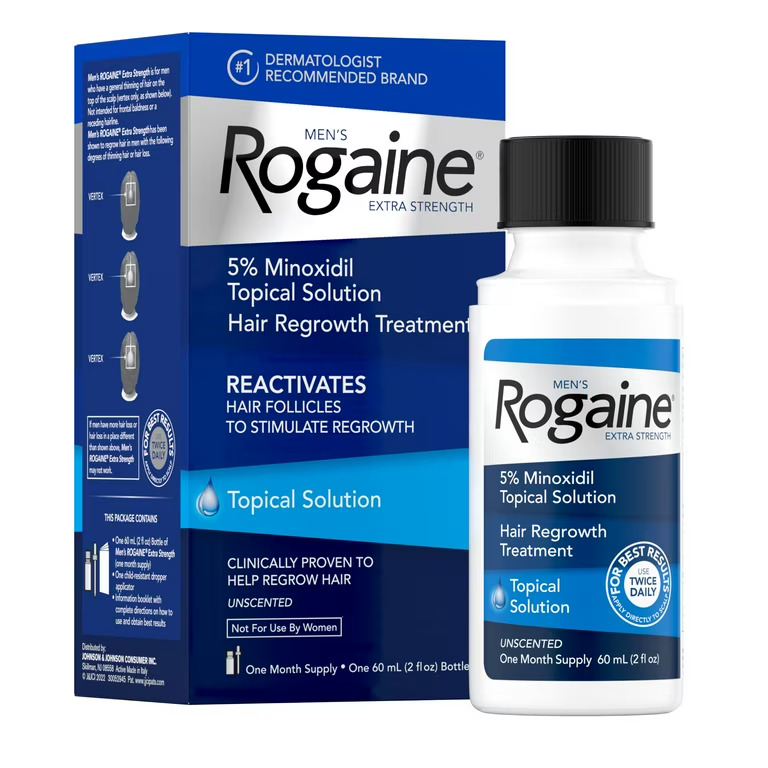
Topical Minoxidil
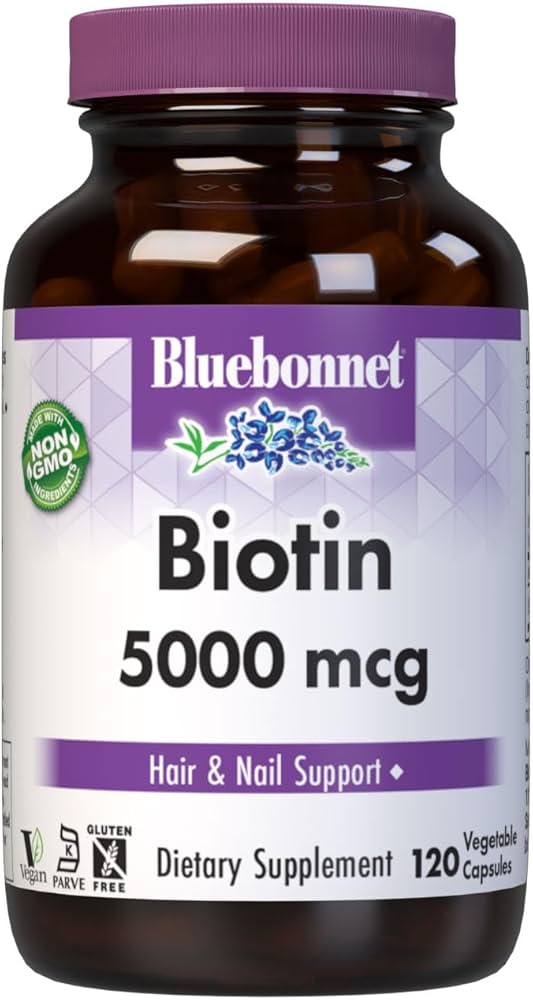
Biotin
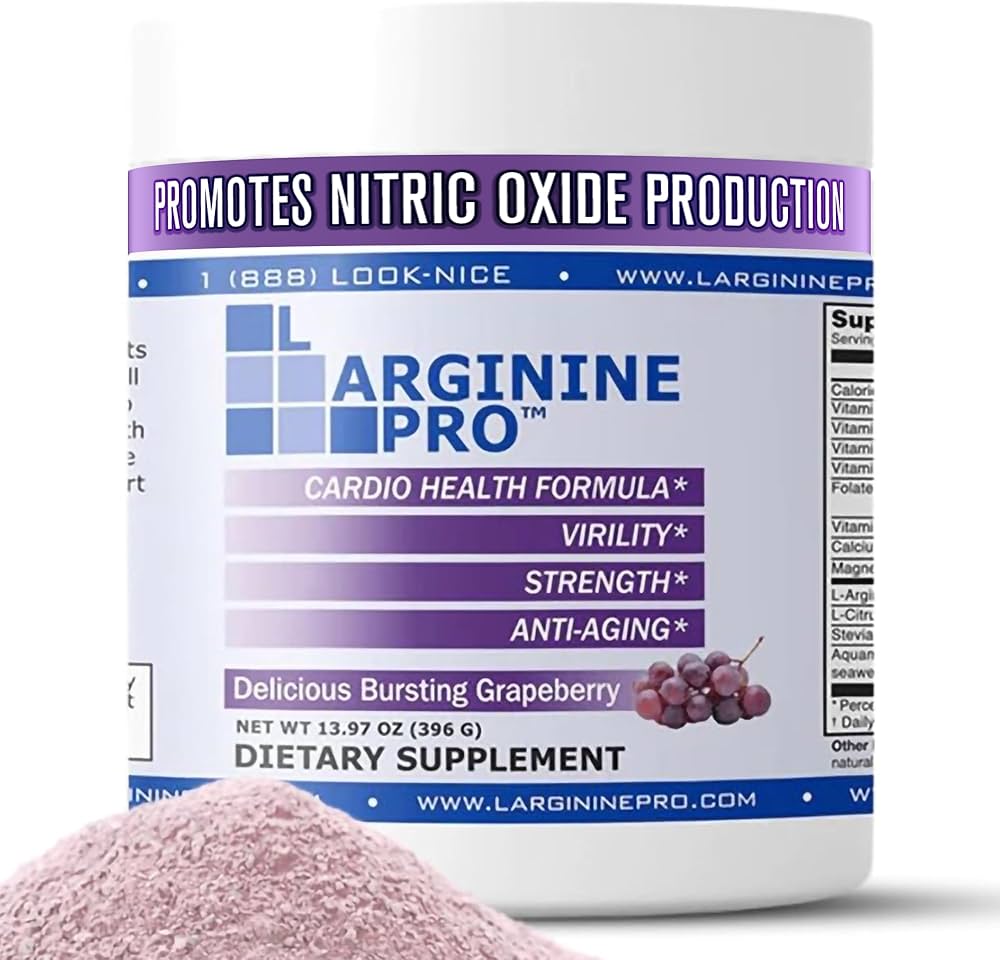
Nitric Oxide
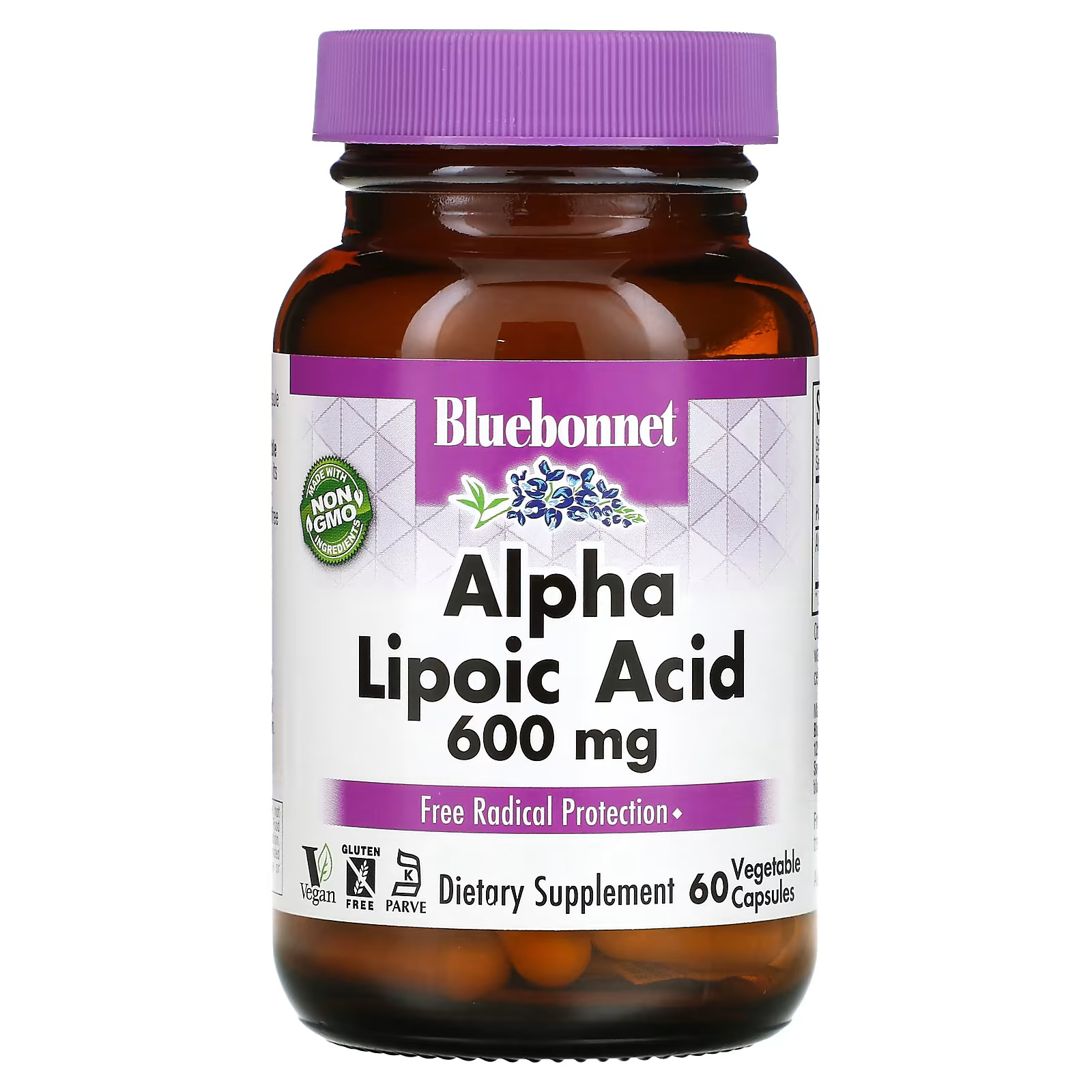
Alpha Lipoic Acid
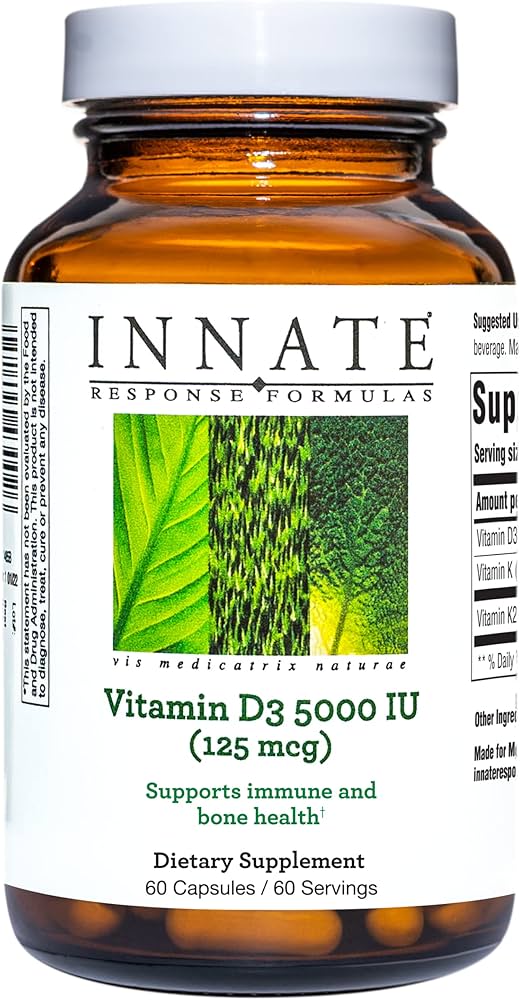
Vitamin D3
- Topical minoxidil serum every evening: Minoxidil is a well-established vasodilator that opens potassium channels in blood vessels, increasing scalp perfusion. This enhances oxygen and nutrient delivery to hair follicles, prolonging the anagen phase and stimulating dormant follicles.
- Benefits in pre-treatment context: By improving microcirculation beforehand, minoxidil creates a nutrient-rich, oxygenated scalp microenvironment. This supports better integration and activity of injected stem cells/exosomes, which rely on local blood supply for growth factor distribution and follicle activation. Studies show minoxidil synergizes with regenerative therapies (e.g., adipose-derived stem cell conditioned media or exosomes), amplifying hair density and thickness gains. It may also precondition dermal papilla cells, making them more responsive to exosome signaling.
- Biotin (hair and nails supplement): Biotin (vitamin B7) is essential for keratin production—the primary protein in hair—and supports fatty acid synthesis for cell metabolism.
- Benefits in pre-treatment context: If there’s any subclinical deficiency (common in hair loss patients), biotin strengthens existing hair shafts, reduces shedding, and improves overall follicle resilience. This creates healthier baseline hair, potentially enhancing visible outcomes post-therapy. While evidence for biotin in non-deficient individuals is limited, it provides general nutritional support for keratinocyte proliferation, complementing stem cell/exosome-induced regeneration.
- Nitric oxide boosters and Alpha Lipoic Acid (to encourage vasodilation):
- Nitric oxide (NO) donors/supplements promote vasodilation, angiogenesis, and cell proliferation.
- Alpha lipoic acid (ALA) is a potent antioxidant that regenerates other antioxidants (e.g., vitamins C/E), reduces inflammation, and may indirectly support circulation.
- Benefits in pre-treatment context:
- Nitric oxide: Directly mimics minoxidil’s vasodilation while promoting angiogenesis and follicle stem cell differentiation. Pre-treatment with NO enhancers improves blood flow, prolonging residence time of therapeutic agents and creating an optimal vascular bed for stem cells/exosomes to thrive. Research shows NO synergizes with minoxidil for multimodal hair growth, upregulating factors like VEGF for better nutrient/oxygen delivery.
- Alpha lipoic acid: Combats oxidative stress (a factor in follicle miniaturization), protects cells from damage, and has anti-inflammatory effects. This reduces scalp inflammation pre-therapy, fostering a less hostile environment for injected exosomes/stem cells. ALA may also enhance metabolic health in follicles, supporting regeneration.
- Vitamin D3: Vitamin D receptors (VDR) are expressed in hair follicles and dermal papilla cells. Active vitamin D (1,25-dihydroxyvitamin D3) influences follicle cycling, stem cell function, and differentiation.
- Benefits in pre-treatment context: Many hair loss patients have low vitamin D levels, linked to impaired anagen initiation and follicle stem cell quiescence. Supplementing D3 supports VDR-mediated pathways (e.g., Wnt/β-catenin), promoting follicle proliferation and prolonging growth phases. This primes follicles for better response to exosome growth factors, potentially enhancing regeneration and reducing catagen (regression) triggers.
- Enhanced delivery and efficacy: Improved blood flow (from minoxidil + NO/ALA) ensures better penetration and distribution of injected umbilical cord exosomes/stem cells.
- Follicle priming: Nutritional support (biotin + D3) strengthens existing structures and activates dormant stem cells, making them more receptive to regenerative signals.
- Reduced barriers: Lower oxidative stress/inflammation (ALA + D3) minimizes follicle damage, allowing exosomes’ anti-inflammatory and pro-angiogenic effects to work more effectively.
- Synergy with therapy: Regenerative treatments like exosomes often combine with minoxidil in clinical practice for superior results (e.g., increased density/thickness). Pre-use stabilizes hair loss and sets a strong foundation.
(Amazon)
(Amazon)
(Amazon)
(Amazon)